
Exploring the cultural influence of gambling on social interactions
The Role of Gambling in Social Gatherings
Gambling has historically served as a focal point for social interactions, fostering camaraderie and competition among participants. Whether at a bustling casino or a friendly home poker night, the act of placing bets brings people together, creating an environment rich in excitement and shared experiences. In fact, many players enjoy the thrill of strategy and chance when they play Chicken Road, highlighting the dynamic nature of interpersonal relationships.
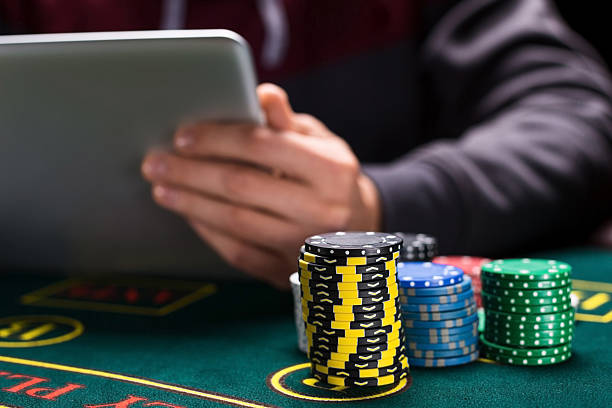
Moreover, the communal aspect of gambling can strengthen bonds between friends and family members. Engaging in games of chance often requires trust, whether it’s sharing resources or relying on one another’s decisions. This trust fosters a deeper connection, as players navigate the highs and lows of winning and losing together, further enhancing the social fabric surrounding the gambling experience.
Gambling as a Cultural Phenomenon
The cultural implications of gambling extend beyond mere entertainment; they encompass social norms and values that shape communities. In many cultures, gambling is viewed as a rite of passage or a traditional activity during celebrations, such as weddings or festivals. This cultural acceptance influences not only individual behavior but also societal perceptions of risk-taking and leisure, revealing how deeply embedded gambling is in social traditions.
Different cultures bring unique interpretations to gambling, transforming it into a means of social commentary or ritual. For instance, in some regions, games of chance are seen as methods of redistributing wealth, while in others, they reflect status or prestige. Understanding these cultural nuances can help individuals appreciate the diverse ways gambling impacts social interactions across the globe.
The Myths and Misconceptions Surrounding Gambling
Despite its popularity, gambling is often shrouded in myths and misconceptions that can affect social perceptions. One common myth is that gambling leads to isolation; however, many studies suggest the opposite. Engaging in gambling activities can encourage socialization and foster relationships, challenging the stereotype of the lone gambler. Such misconceptions can lead to stigma, causing those who enjoy gambling to shy away from discussing it openly.
Furthermore, the misconception that gambling is solely a vice overlooks its potential to serve as a bonding activity. While it is essential to recognize the risks associated with gambling, it is equally important to acknowledge its role as a social lubricant, bridging gaps and creating shared memories among participants. Dispelling these myths can help cultivate a healthier understanding of gambling within society.
The Psychological Impact of Gambling on Relationships
The psychological effects of gambling can significantly influence personal relationships. For some, the thrill of gambling can be addictive, potentially leading to strain within familial and social circles. The unpredictability associated with gambling can cause stress and anxiety, affecting how individuals interact with one another. Recognizing these psychological aspects is vital for maintaining healthy relationships, as open communication about gambling habits can help mitigate negative consequences.
However, it is crucial to highlight that responsible gambling can lead to positive social outcomes. When approached with moderation, gambling can enhance relationships by providing opportunities for enjoyment and connection. Engaging in discussions about responsible gambling practices can empower individuals to enjoy the social aspects without compromising their personal well-being.

Conclusion: The Importance of Understanding Gambling in Society
As we explore the cultural influence of gambling on social interactions, it becomes evident that this activity plays a multifaceted role in society. From fostering relationships to challenging societal norms, gambling transcends its image as a mere pastime. Understanding these cultural dynamics is essential for appreciating how gambling affects social connections and individual behaviors.
By promoting awareness and open dialogue about gambling, we can foster a more positive perception of its role in social interactions. Embracing its potential to bring people together while acknowledging the importance of responsible practices will ensure that gambling remains a vibrant aspect of cultural life, enriching social experiences for everyone involved.