
The evolution of casinos A journey through time
The Origins of Gambling
The history of casinos can be traced back to ancient civilizations where games of chance were played for both entertainment and profit. Evidence suggests that as early as 3000 BC, the Chinese were using rudimentary gambling tools, and similar activities were occurring in Rome, Greece, and Egypt. These early forms of gambling were often intertwined with cultural and religious practices, indicating the deep-rooted significance of games of chance in human society. As you explore the world of online gaming, you might find engaging bitcoin gambling sites that reflect this rich history.
As societies evolved, so too did their gambling activities. The introduction of dice and gaming boards in ancient cultures laid the groundwork for more organized forms of betting. The first official gambling house, known as a casino, emerged in Venice, Italy, in the 17th century, marking a significant shift in how gambling was perceived and structured in society.
The Rise of Modern Casinos
The 18th and 19th centuries saw a dramatic transformation in the gambling landscape with the establishment of modern casinos. The luxurious Casino de Monte-Carlo opened in 1863, attracting the elite and setting a new standard for gaming establishments. This period also marked the birth of popular games such as roulette and baccarat, which became synonymous with high-stakes gambling.
As gambling grew in popularity, so did the regulation of casinos. Governments recognized the potential tax revenue from gambling establishments, leading to the legalization of casinos in many parts of the world. This regulatory framework helped to ensure fair play and the safety of players, further solidifying the casino’s place in society.
The Casino Boom in the 20th Century
The 20th century was a golden age for casinos, particularly in Las Vegas, which transformed into the gambling capital of the world. The post-World War II era saw a surge in disposable income and leisure time, making casinos a desirable destination for entertainment. The iconic Las Vegas Strip emerged, featuring extravagant resorts and themed casinos that catered to a growing audience.
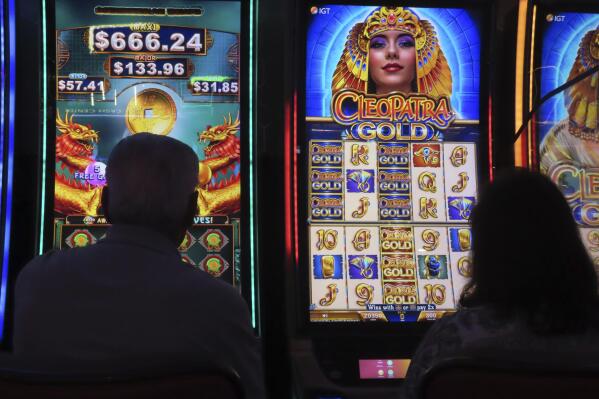
With the introduction of slot machines and other electronic gaming devices, casinos began to appeal to a broader demographic. The gambling experience became accessible to those who may not have been interested in traditional table games, further fueling the industry’s growth. The rise of casino resorts also brought a new focus on hospitality, with luxurious accommodations, dining options, and entertainment, creating an all-encompassing experience for visitors.
The Digital Transformation of Gambling
The late 20th and early 21st centuries witnessed a technological revolution that significantly impacted the casino industry. The emergence of the internet allowed for the proliferation of online casinos, making gambling accessible to a global audience from the comfort of their homes. Online platforms offered a wide variety of games, from classic table games to innovative slots, captivating both new and seasoned players.
Moreover, advancements in technology have led to the rise of mobile gaming, where users can play casino games on their smartphones and tablets. This accessibility has transformed player behavior, with many preferring the convenience of mobile gambling over traditional brick-and-mortar casinos. As a result, online casinos have become a formidable force in the gaming industry, often exceeding the revenue of physical establishments.

Exploring Today’s Casino Landscape
Today’s casino landscape is a fusion of tradition and innovation. While classic games remain popular, the integration of cryptocurrencies and blockchain technology has opened new avenues for secure and anonymous gambling. Players now have the option to engage in crypto casinos, which offer unique benefits such as enhanced privacy and faster transactions.
As the industry continues to evolve, it faces challenges related to regulation, responsible gambling, and adapting to changing player preferences. The rise of virtual reality and immersive gaming experiences hints at a promising future where casinos may become even more interactive and engaging, ensuring that the spirit of gambling endures through the ages.